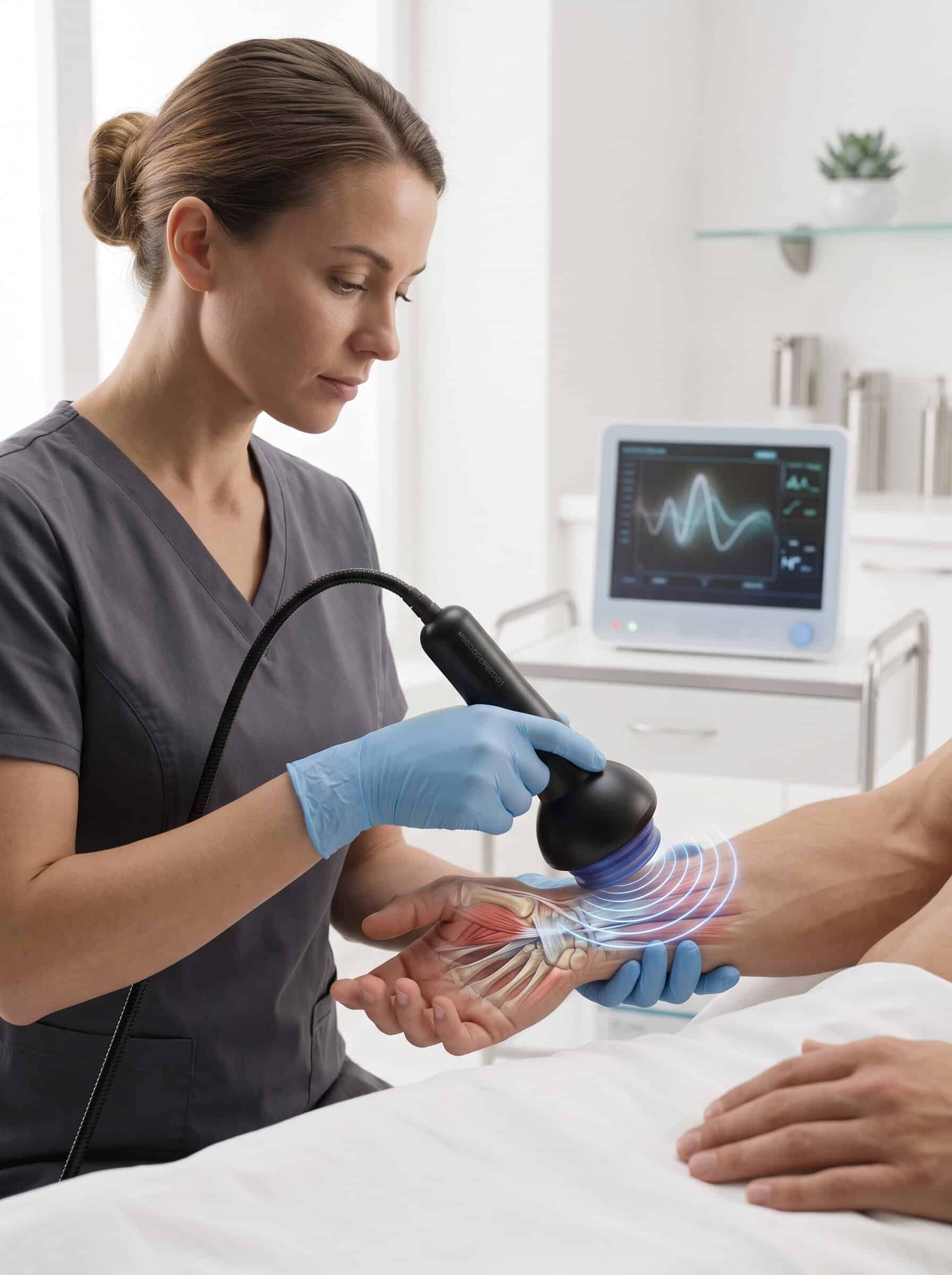


The demo is the last checkpoint before you commit five figures to a device, and most buyers waste it. They sit through a polished presentation, watch the rep run the machine on an easy case, nod along, and leave without having tested the one thing that matters: whether this device works the way their practice needs it to, in their hands, on the day.
A demo is not a show to watch. It is a test you run. The difference decides whether you learn anything useful before you sign. This is what to put the machine through, what to ask while you have the rep in the room, and the warning signs that should make you pause.
Key Takeaways
- Treat the demo as your test, not the vendor’s presentation. You set the agenda, not the rep.
- Test on your real use cases. The kinds of patients and situations you will actually treat, not the showcase case the rep prefers.
- Put the operator in the driver’s seat. The person who will run it daily should hold the handpiece, not just watch.
- Check the four things that matter most. Consistent output, patient experience, workflow fit, and the practical realities of running it.
- Use the rep while you have them. Service, warranty, training, consumables, and what happens after the sale are demo questions, not afterthoughts.
- A confident vendor welcomes hard testing. Steering you away from hands-on use is itself a red flag.
Before The Demo: Set It Up To Learn Something
A demo you walk into cold is a demo the vendor controls. Spend ten minutes beforehand so it works for you.
Decide what you actually need to see, based on the patients you treat and the way your day runs. Bring those scenarios to the demo rather than accepting the rep’s default. And bring the person who will operate the device every day. A machine that feels great to a practiced sales rep can feel awkward to your staff, and that gap only shows when your staff holds it. If you have not already checked whether the practice can support the service, start with the readiness checklist before the demo day.
What To Test
Output And Consistency
This is the core of the machine, so test the core. Ask the rep to show you the energy range and then actually move through it, not just the one comfortable setting. A clinical device delivers a defined, adjustable output and holds it steady, pulse after pulse. You want to see that range and that steadiness, not take it on faith.
Confirm what kind of energy it actually produces. Genuine acoustic wave technology generates a controlled pressure wave through an established method. For a focused device that is typically electrohydraulic, electromagnetic, or piezoelectric generation. If you are unclear on what you are comparing, how these devices work, how acoustic wave energy is generated, and the radial versus focused breakdown lay out the distinctions worth testing against. Terms sit in the glossary.
The Patient Experience
Your patients will feel this, so you should too. Have it run on yourself or a staff member, not just demonstrated in the air. Pay attention to what a session actually feels like at the settings you would use, and how comfortable it is at working intensity. Controlled delivery is part of that. See how focused acoustic wave devices deliver mechanical energy safely.
Listen, as well. Some generation methods are audibly louder than others, and a device that is loud in a quiet treatment room affects the patient experience and the room next door. Better to notice that in the demo than after the purchase.
Workflow And Usability
A device only earns its keep if it fits the day. Time the things you will repeat hundreds of times: how long setup takes, how the interface navigates, how applicator or head changes work, and how a full session would slot into a real appointment. Ask your operator whether the controls make sense to them, because they are the one who has to find them while a patient waits.
If a device is clearly capable but awkward to run, that friction is what quietly keeps it from being used once the novelty fades. The first 90 days after install is where that workflow fit either pays off or costs you.
Build And Practical Realities
Look past the session to ownership. Check the footprint against the space you actually have. Ask what consumables the device uses, how long they last, what they cost, and where they come from, because that recurring cost and supply is part of what you are buying. How to Choose the Best Focused Wave Therapy Machine covers how to weigh total cost of ownership against the sticker, and the demo is where you gather the inputs for it.
Questions To Ask While You Have The Rep
The demo is your best chance to get straight answers on everything that happens after the sale. Use it.
- What does the warranty cover, on the unit and on the handpiece separately, and for how long?
- What is the service and repair process, and how fast is the typical response if the device goes down?
- What training comes with it, for you and for your staff, and over what timeline?
- What do consumables and ongoing maintenance actually cost per year at my expected volume?
- What support exists for actually using the device, filling the schedule, and building the service, not just operating the hardware?
Write the answers down the same way for every vendor you demo. That is what makes the comparison real rather than a memory of who presented best.
Red Flags During A Demo
A demo reveals the vendor as much as the device. Watch for these.
A rep who steers you away from hands-on testing, or who will only run their own chosen case, is managing your impression rather than showing you the machine. Someone who cannot clearly answer how the device generates its wave, what its output range is, or what the real consumable costs are either does not know or does not want to say. And pressure to sign that day, before you have tested your own scenarios or compared alternatives, is the oldest signal there is. A good vendor is comfortable with scrutiny because the device holds up to it.
After The Demo
Compare on your notes, not your impressions. The vendor with the smoothest presentation is not necessarily the best machine, and a day later the demos blur together. If you tested the same scenarios and asked the same questions across every device, you have something real to decide on. If you did not, the demo was a presentation after all.
Frequently Asked Questions
Should I Demo More Than One Machine?
Yes, where you can. A single demo gives you nothing to compare against, and the differences in output, comfort, and workflow only become clear side by side.
Who Should Be In The Room For The Demo?
You, and whoever will actually operate the device day to day. The operator’s hands-on reaction is one of the most useful things a demo tells you.
What Is The Single Most Important Thing To Test?
That the device produces consistent, controllable output and genuinely does what it claims. Everything else matters, but a machine that cannot hold its output is the wrong machine regardless of how it looks.
Is It Reasonable To Ask To Treat A Real Case During A Demo?
Within what is appropriate and safe, testing something close to your real use is far more informative than a showcase demonstration. A vendor who resists that is worth a second look.
What If The Rep Pressures Me To Decide On The Spot?
Treat it as information about the vendor. A device worth buying is still worth buying next week, after you have compared it properly.
Testing Is Welcome Here
The whole point of a demo is to put the machine and the vendor to the test, and the right partner wants you to. If you are still deciding whether the practice can support the service at all, the readiness checklist is the prior step.
OmniWave builds professional-grade focused electrohydraulic acoustic wave systems and treats the device as the start of a partnership rather than the end of a sale. That includes the training, support, and help filling the schedule so the demo is an invitation to look closely rather than a pitch to sit through.
When you want to put a unit through your own scenarios, Book A Call.

